Why Competitive Gaming Communities Are Drawn to Risk-Based Side Economies
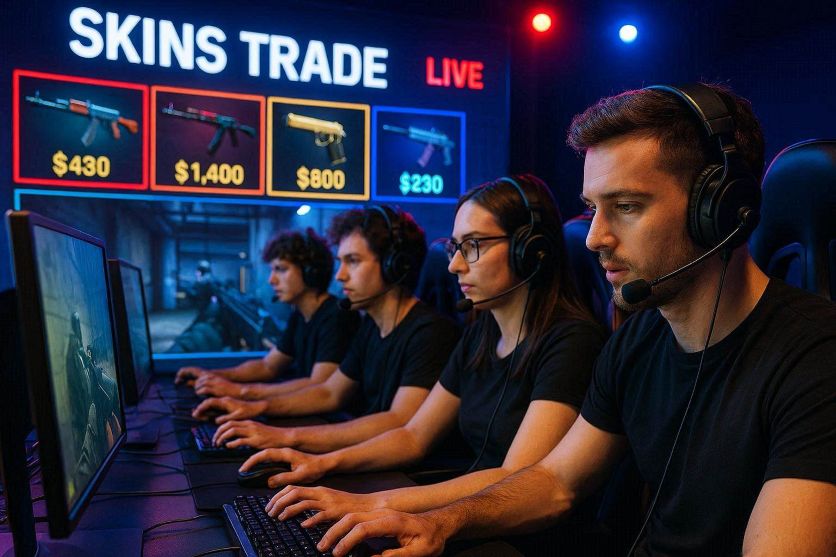
Competitive gaming communities generated billions of hours of engagement in 2025, and much of that activity now extends beyond the games themselves. According to the 2025 Global Games Market Report by Newzoo, multiplayer and creator-driven ecosystems continue to shape how players socialize, trade, and consume entertainment online. Communities centered on virtual items, rankings, and social status have gradually created parallel economies that mirror real-world financial behavior.
Roblox mini-games, item trading spaces, and competitive multiplayer titles have become examples of this shift. Players often move from simple cosmetic exchanges into more speculative environments tied to rarity and chance. Search behavior reflects that growing curiosity. Many users look for comparison resources such as best murder mystery 2 betting sites rather than direct endorsements, especially when trying to understand how these ecosystems operate and what risks they carry. Transparency, fairness, and community trust have become central concerns in these conversations.
Virtual Items Became Social Currency
Digital economies inside games were once limited to cosmetic skins or collectibles. Over time, these items developed social meaning. Rare items signal experience, dedication, or status within a community. Competitive titles especially encourage this behavior because players constantly compare inventories, rankings, and achievements.
Valve’s item trading ecosystem around Counter-Strike demonstrated years ago how virtual goods could gain real-world value. Roblox communities followed a similar pattern through limited items, player-created assets, and game-specific collectibles. Murder Mystery 2, for example, built a strong player culture around tradable weapons and rarity tiers.
These systems create conditions where speculative behavior can emerge naturally. Once players assign social and monetary value to virtual goods, outside markets often appear around them. Some focus on trading analysis, while others introduce risk-based mechanics connected to wagers, spins, or prediction systems.
Streaming Culture Encourages Spectacle
Streaming platforms accelerated the visibility of these side economies. According to Twitch annual engagement data, viewers consistently gravitate toward high-tension content, especially moments involving uncertainty or valuable digital items. That demand shapes creator behavior.
Content creators frequently showcase inventory openings, trades, or community challenges because those activities generate emotional reactions. Audiences respond strongly to suspense. A rare item reveal or an unexpected loss can attract thousands of live viewers within minutes.
Despite the entertainment factor, this trend also raises ethical questions. Competitive gaming communities often include younger audiences, even when platforms state that gambling-related features are intended only for adults. Critics argue that constant exposure to risk-based mechanics may normalize speculative behavior around digital assets.
Several regulators have already examined the connection between gaming and gambling-like systems. The UK Gambling Commission previously warned that virtual currencies and tradeable items can blur legal and behavioral boundaries when they gain real-world value.
Community Identity Plays a Major Role
Gaming communities are built on participation. Players want to feel involved in the culture surrounding their favorite titles. Side economies create additional ways to participate beyond gameplay itself.
Forums, Discord servers, livestream chats, and social media groups often become hubs where users discuss item values, fairness systems, and platform reliability. These discussions mirror conversations found in financial communities or sports speculation spaces.
Researchers from the Oxford Internet Institute have noted that online communities frequently develop their own economic norms over time. Gaming ecosystems are no exception. Communities create unofficial rules around trust, trade etiquette, and platform reputation.
That environment explains why comparison-based searches remain common. Instead of immediately joining a platform, many users spend time reading reviews, analyzing community opinions, or comparing MM2 wagering platforms before participating in any activity connected to item-based risk systems.
Transparency Concerns Continue to Grow
As these ecosystems become larger, transparency has become one of the most discussed issues. Users increasingly question how odds are calculated, how moderation works, and whether platforms clearly explain their systems.
Major gaming companies have already faced criticism regarding loot boxes and randomized reward mechanics. Electronic Arts and Activision Blizzard both encountered regulatory scrutiny in Europe over monetization systems tied to chance-based outcomes. Although side economies around community-created games operate differently, similar concerns appear repeatedly.
Players often demand visible fairness systems and clear disclosures before trusting a platform connected to digital item exchanges. This reflects a broader cultural trend. Internet users have become more cautious about online transactions, especially after years of scams and misleading promotions across different industries.
Consequently, communities now place high value on reputation. Streamers, moderators, and long-time traders often influence public perception more than advertising campaigns do. A platform viewed as opaque or irresponsible can quickly lose credibility within tightly connected gaming circles.
The Influence of Scarcity and Competition
Scarcity drives engagement in many digital ecosystems. Limited-edition items and rare collectibles create urgency, particularly inside competitive communities where status matters. Behavioral economists have long studied how scarcity increases perceived value, even when the asset itself exists only digitally.
Competitive gaming intensifies that effect because players constantly compare themselves with others. Someone with a rare cosmetic item may gain recognition within the community, similar to how exclusive merchandise functions in sports or music fandoms.
Risk-based side economies build on that psychology. The possibility of obtaining a rare item through chance creates emotional intensity, which keeps audiences engaged. Yet this dynamic can also encourage impulsive behavior, especially when users fail to separate entertainment spending from financial responsibility.
That concern explains why consumer advocates continue pushing for stronger safeguards around digital betting systems tied to gaming communities. Age restrictions, transparency policies, and spending controls are now regular topics in industry discussions.
Gaming Culture and Digital Risk Are Becoming More Connected
Competitive gaming culture increasingly overlaps with broader internet trends involving speculation, digital ownership, and creator-driven economies. Virtual items now function as social assets, entertainment tools, and community symbols all at once.
At the same time, audiences are becoming more aware of the risks attached to these systems. Conversations surrounding item-based betting environments have shifted noticeably over the last few years. Instead of focusing purely on excitement, users now discuss accountability, transparency, moderation, and long-term community impact.
Many players researching MM2 betting platforms or similar ecosystems approach them cautiously. They want information, comparisons, and community feedback rather than aggressive marketing language. That shift suggests gaming audiences are becoming more critical and informed about digital risk environments.
For example, resources such as responsible sports gambling ideas and practices highlight practical approaches to maintaining balance, especially in environments where excitement and financial risk are closely linked. These perspectives reflect a growing recognition that long-term participation requires not only engagement, but also self-regulation and awareness of personal boundaries.
Conclusion
Competitive gaming communities were built around skill, social interaction, and digital identity. Risk-based side economies emerged because those same communities already valued rarity, competition, and audience engagement. Streaming culture amplified the visibility of these systems, while online marketplaces gave virtual items measurable value.
Still, the growth of these ecosystems continues to raise important questions about transparency and responsible participation. Discussions around item-based betting resources and related comparison platforms now reflect a broader demand for accountability across gaming culture.
Users should approach any gambling-related activity carefully and understand the financial and psychological risks involved. Virtual item betting and similar systems are forms of gambling and can lead to harmful behavior if participation becomes excessive. Adults who choose to engage with these environments should set limits, avoid impulsive spending, and rely on transparent information sources before making decisions.